What Is Crown And Bridge Treatment?
How Is Treatment Performed?
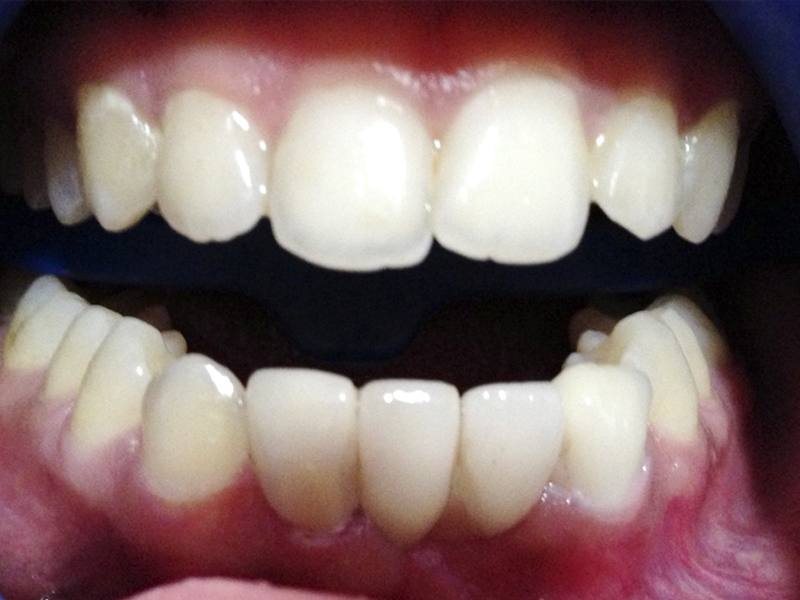
Crown and bridge treatment is a long-term method of replacing missing teeth. A crown is placed over an individual tooth, (somewhat like a thimble over your finger) where there is no longer sufficient tooth structure left to place a filling.
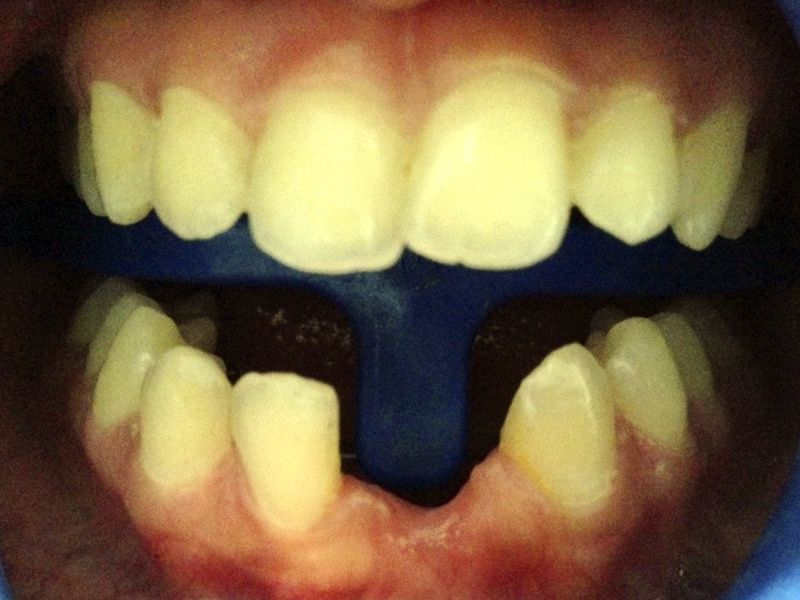
A bridge spans a space where one or more teeth have been lost in the dental arch. The teeth on either end of the span are crowned, and are referred to as abutments. The false teeth in a bridge that join the abutments are referred to as pontics.
Crowns and bridges are most often made from superior materials such as precious metals (gold), semi-precious metals, porcelain, or a combination of metal fused to porcelain. Both esthetics (appearance) and function are considered when selecting the material most suitable for you.
Crowns & Bridges Treatment Clinic Jalandhar,Crowns & Bridges Treatment Centre Jalandhar,Crowns & Bridges,Dr Goyal Dental Centre Jalandhar in Punjab.
Losing a tooth can be of social and psychological concern. Teeth are lost for a number of reasons including:
- dental decay
- periodontal (gum) disease
- trauma (injury or accident)
When a permanent tooth is lost, the neighboring teeth are affected. Because the support and chewing forces are altered, the remaining teeth will begin to shift. The tooth above or below the one that was lost will begin to move up and out of its socket This accelerates periodontal (gum) disease and causes further breakdown in the dental arch. If the missing tooth is not replaced, more teeth will eventually be lost, due to the improper forces exerted during chewing.
How Is Treatment Performed?
At the first appointment a thorough oral examination, evaluation of your dental history and necessary X-rays are completed. The diagnosis is based on these three factors. Once it has been determined that crown and bridge treatment is indicated, you will be set up with a series of appointments. It’s important that you keep all of these appointments. You see, your treatment occurs in a planned sequence. Missing or postponing your appointment may cause treatment delays, allowing further tooth movement before treatment can be completed.
The tooth or teeth to be treated are numbed with an anesthetic. Sometimes you can expect the side of your face to feel numb, as well. Next, during the preparation phase, your tooth or teeth to be crowned are trimmed down. This allows sufficient space for the crown or bridge to fit.
After this preparation stage has been completed, an impression of that area of your mouth is taken. Modern impression materials make it possible to take an extremely accurate record (impression) and thus make the best possible restoration for your mouth.
At the following appointment, the crown or bridge is adjusted for proper fit, prior to permanent placement. It is often necessary to fine trim and polish the new crown or bridge. Other factors we consider include:
- esthetics — color match and appearance
- function - chewing and biting accuracy
- tissue compatibility — the contour of the prosthesis must allow the surrounding tissue to conform to a natural, healthy position.
Replacing Missing Teeth:
- helps restore and maintain the natural bite
- prevents unnatural stress on other teeth
- helps keep opposing teeth in their proper place
- prevents shifting and tilting of adjacent teeth
- helps prevent further dental decay and periodontal (gum) disease
- maximizes your smile, speech and chewing
Gallery
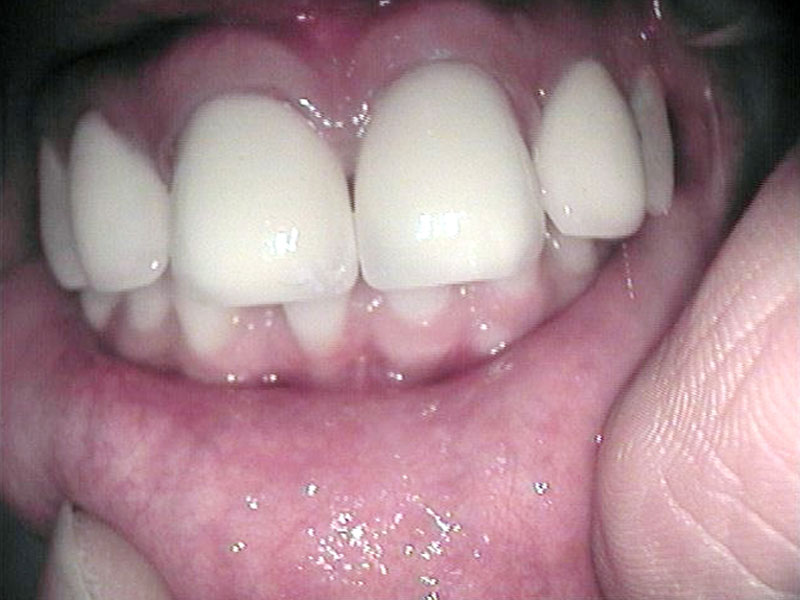
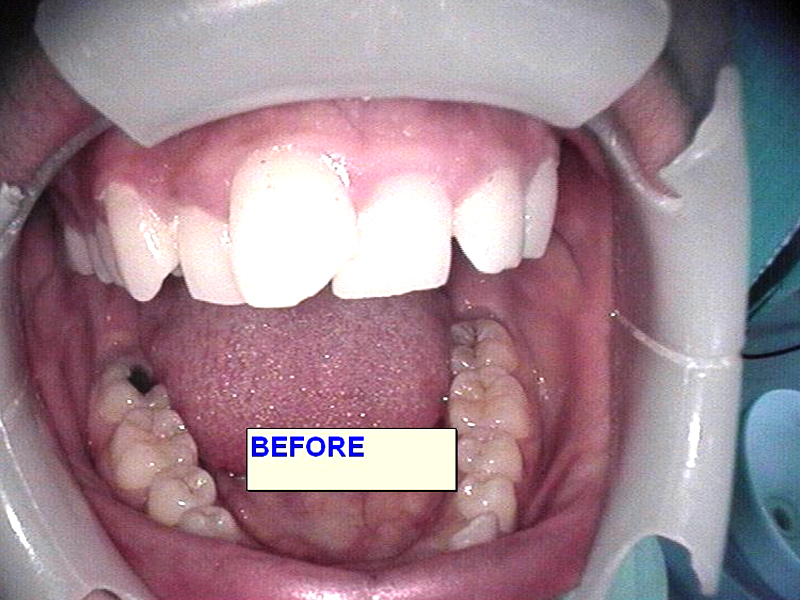
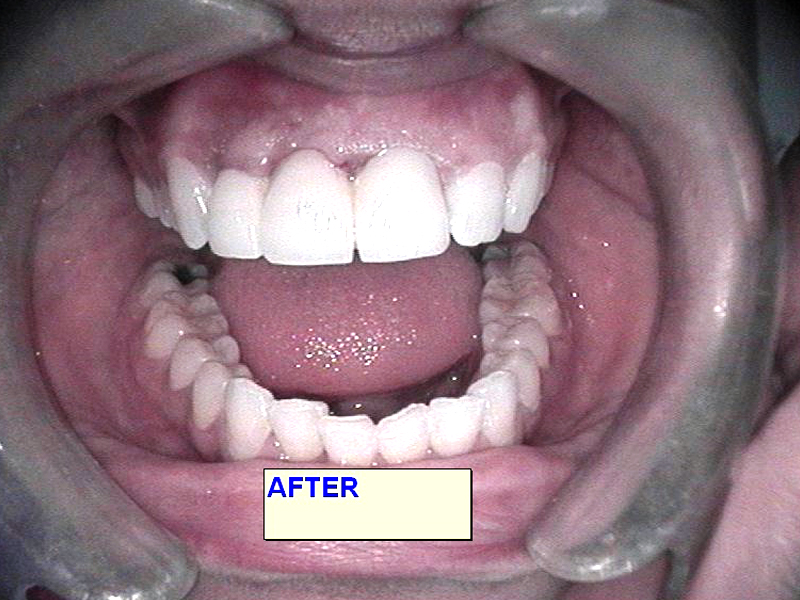
Crowns For Protruding and Malformed Teeth